Adult scoliosis
"Whether you've developed the condition in childhood or as an adult, the aging process can cause or Intensify symptoms of scoliosis..."
Adult idiopathic scoliosis is a worsening progression of scoliosis since adolescence. As idiopathic scoliosis Continues to progress it becomes degenerative in late adulthood.
The onset of Degenerative de novo scoliosis first appears in adults over 50 years of age, especially in postmenopausal women.
Degenerative scoliosis mostly affects the lumbar spine, a major symptom of which is always
lower back pain.
Without Treatment
In Adulthood, pain, muscle imbalance and noticeable postural changes are likely indicators of the presence of degenerative scoliosis. Disc and spinal facet joint degeneration which can also lead to spinal stenosis (narrowing of the spinal canal, causing nerve impingement), are common factors in both the two types of adult scoliosis.
Whilst adult idiopathic scoliosis can appear in both thoracic and lumbar spine, adult degenerative scoliosis (de novo scoliosis) usually occurs in the lumbar spine. When viewed from the side, the lumbar spine often appears to have flattened, or is 'rounded', loosing its normal physiological curve (lordosis).
The two most common symptoms of adult scoliosis are low back pain and stiffness. Depending on the extent of degeneration in the spine, other symptoms which adversely affect quality of life include numbness, cramping and shooting pain in the legs due to nerve impingement, and fatigue to due the strain on back and leg muscles.
With Schroth Method Treatment
Older adults patients can benefit from customised program of Schroth Method scoliosis exercises.
Schroth Method scoliosis exercises have been proven to: prevent progression; improve function; and reduce pain and disability in patients diagnosed with idiopathic scoliosis, irrespective of whether they are adolescents or adults
The results of one research study conclude that the Schroth Method can be an effective treatment in improving function and reducing pain and disability in [adult] patients diagnosed with scoliosis. The study also supports that conservative treatment that included Schroth Method exercises provided by a Schroth trained physical therapist were effective in treating scoliosis.
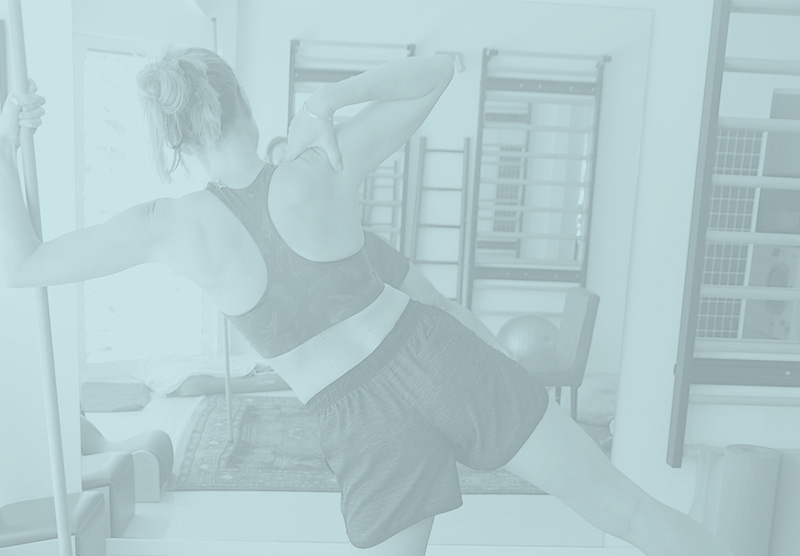
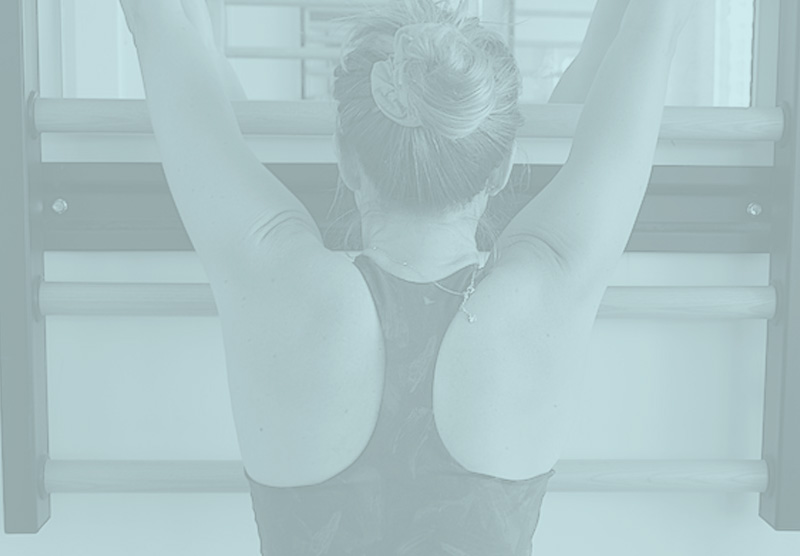
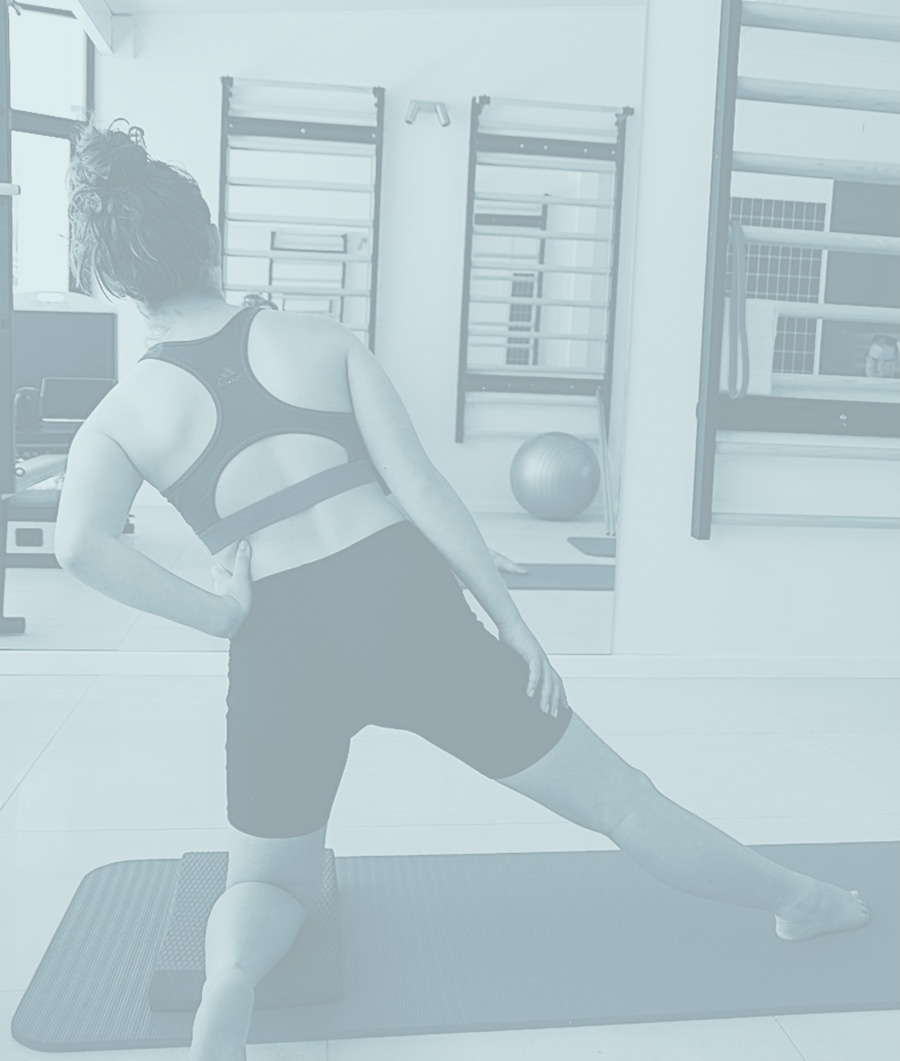
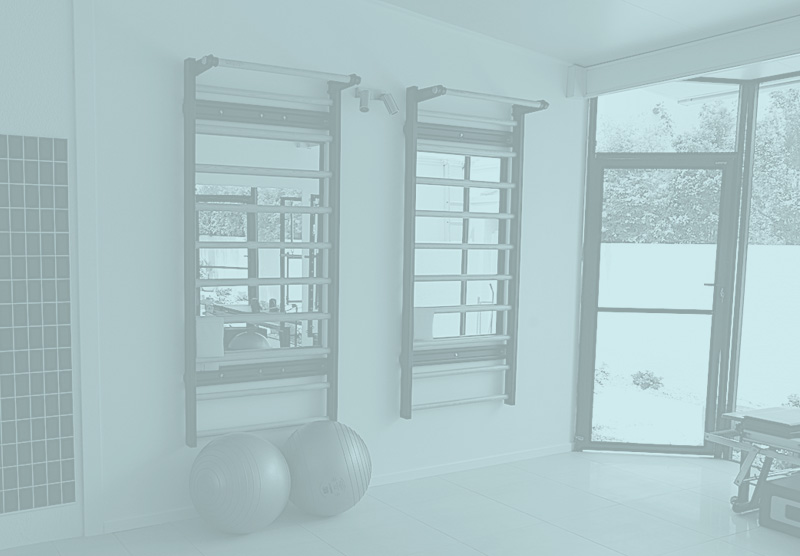
Images (1) and (2) show a patient performing corrections for her thoracic curve. Images (3) and (4) show the patients performing corrections for their lumbar curve.
-

- (1)
-

- (2)
-
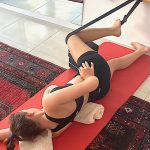
- (3)
-
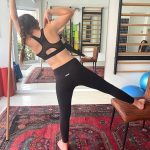
- (4)
Comprehensive Conservative Treatment
Our Scoliosis Therapy Centre adheres to The International Scientific Society on Scoliosis Orthopaedic and Rehabilitation Treatment (SOSORT) 2016 Guidelines which, sets out (1) the basic objectives of comprehensive conservative treatment of idiopatic scoliosis [Adolescent & Adult], and (2) a specific set of goals for a non-surgical conservative treatment approach for idiopathic scoliosis
1. Basic Objectives:
- To stop curve progression at puberty.
- To prevent or treat respiratory dysfunction
- To prevent or treat spinal pain syndromes
- To improve aesthetics via postural correction
2. Goals:
Comprehensive conservative treatment goals are defined as Absolute, Primary, and Secondary.
SOSORT's Absolute goal is to avoid surgery, improve aesthetics, and improve quality life. It's Primary and Secondary goals support the Absolute goal with the focus on preventing progression, irrespective of whether curvatures are categorised as low, moderate or severe.
For a comprehensive explanation of the visible symptoms (clinical characteristics) of Adult idiopathic scoliosis, go to: Common Types of Idiopathic Scoliosis and Prominent Hips - Idiopathic Scoliosis
For information on the content, structure and scope of our Schroth Method Scoliosis Exercise Therapy Programs you can download a summary here:
To access patient 'stories' briefly detailing their life experiences "living with scoliosis" and their engagement with our Schroth 3D Scoliosis Therapy Program, Click Here .
Schroth Method
Treatment for Scoliosis
(To view all images on this page
and sidebar in an enlarged
slideshow just click on an image
at random.)